Table Of Content
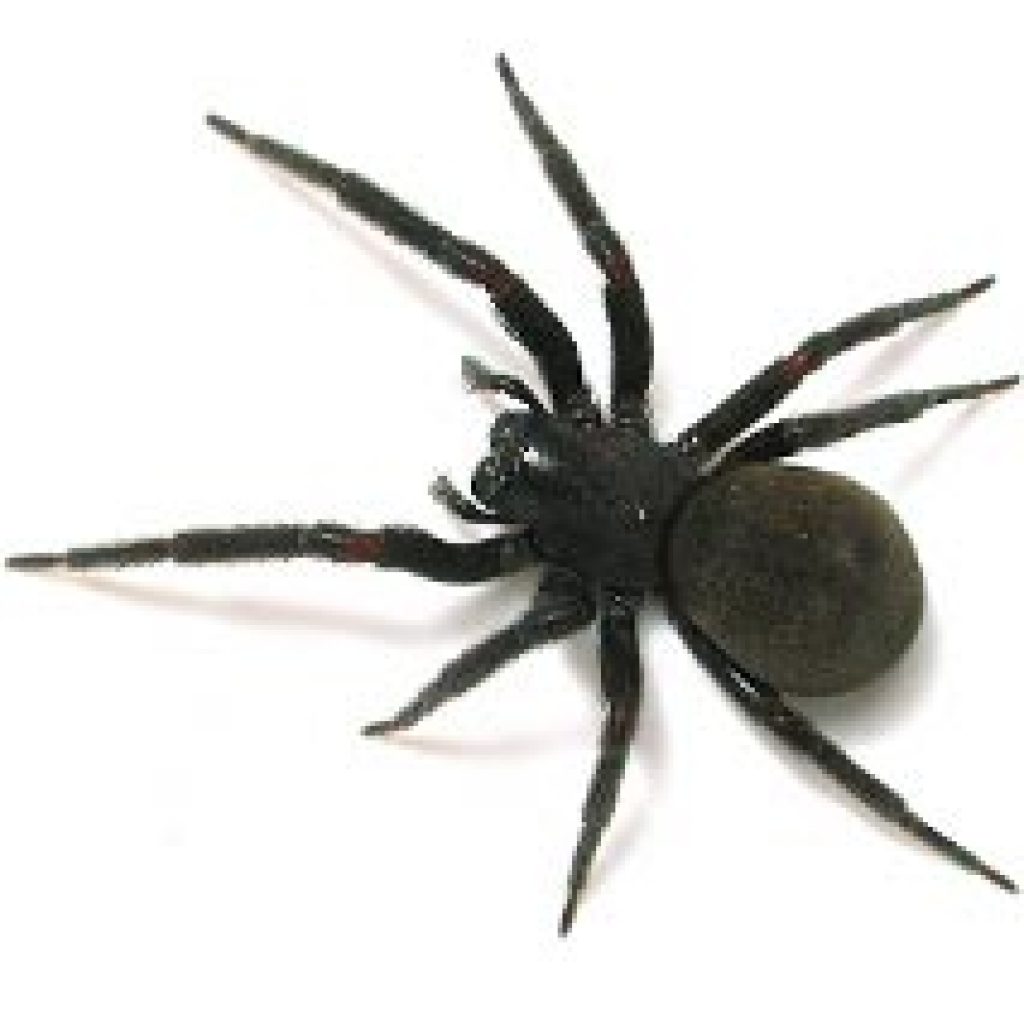
They use their silk to construct tent-like coverings in low corners. They hide behind these silky structures during the daytime, resting before their nocturnal hunting starts. Harvestmen, also known as daddy long-legs, are not technically spiders. They are actually a distant relative of the spider and are frequently confused with the above cellar spider.
Do Boxelder Bugs Bite? Separating Fact from Fiction
Spiders of Oregon: What's lurking in your home or garden? - OregonLive
Spiders of Oregon: What's lurking in your home or garden?.
Posted: Wed, 03 Feb 2016 08:00:00 GMT [source]
House spiders are common arachnid guests you might find in your home, and knowing more about them can ease your mind when you stumble upon one. There are around 40,000 known species of spiders globally, with nearly 3,000 native to North America. In this article, you’ll learn about some common house spiders, their characteristics, and general behavior.
Domestic House Spider Pest Control
Place them up against the wall or behind dark, damp areas where spiders hide. You might find them underneath furniture, in small corners, in the basement, in closets, and inside clothing. They are brown and have a violin-shaped marking on their back. One bite from a black window can cause serious pain, muscle stiffness, nausea, etc. If you get bit by one of these spiders, you should go to the hospital right away.
Most Venomous
The bites can be confused with a brown recluse bite, but the symptoms will not be as bad. The male western black widow is a harmless, brown-colored spider with white stripes on its abdomen. Unlike the adult female, the male species has an oblong rather than bulbous body.
Brown black widow spider (Latrodectus geometricus)
Also called the red-headed mouse spider, the male Missulena occatoria has an easily recognizable dark red shiny cephalothorax. The American grass spider is a type of brown garden spider with tan stripes and a central abdominal patterned band on its back. The grass spider has a distinctive eye pattern with three rows of eyes. Adult raft spiders with their chocolate-brown body look relatively large due to their huge leg span of up to 2.8” (70 mm). Let’s look in more detail at the identifying features of the most common species of spiders that you are likely to find at home or in your garden.
Who's hunting the black widow spider? Their brown widow relatives, research shows - University of South Florida St. Petersburg
Who's hunting the black widow spider? Their brown widow relatives, research shows.
Posted: Mon, 13 Mar 2023 07:00:00 GMT [source]
When bitten, you will begin to salivate and you will have irregular heartbeats. Men that are bitten may experience prolonged, painful erections. In fact, the world’s “deadliest” spiders are usually only deadly to other animals, and we’ve covered quite a few here. Still, we thought it best to cover the one spider that is truly deadly to humans.
Daddy Longlegs Geography
With a leg span of up to 1 inch (25 mm), the little yellow house spider may range in size from 0.19 to 0.35 inch (5 to 9 mm). Yellow sac spiders are also known as black-footed spiders, and they can deliver a venomous bite. These are generally a small species of spider with average body sizes of 0.25” (6 – 7 mm). Although these small house spiders are classed as a type of brown spider, the darker species may resemble black widows. However, dark-colored common household spiders don’t have red markings and won’t give you nasty bite.
Brown Recluse Spiders
They can enter a home on clothing or plants, but are unlikely to establish themselves once in your home. Hobo spider toxicity is a contested subject among arachnologists. Their abdomens, however, have v-shaped chevron stripes, and lack their cousin’s distinct longitudinal dark stripes along the head. Domestic House spiders rarely produce enough individuals to develop an infestation.
As its name suggests, this spider is large enough that it commonly eats birds. Although it can eat these huge meals, it is no threat to humans because it’s quite scared of us. In fact, humans are a threat to these spiders because locals will catch the spider to cook and eat it. The time period when a black widow is most dangerous is when they’re laying eggs or guarding the egg sac. If you come across them then, they may be enticed to bite you to protect their eggs.
If you release one of these outside, you might actually be doing it a favor. Remove rocks, wood piles, compost piles, old boards, and other sheltering sites adjacent to the home. Eliminate migration of spiders into homes by caulking cracks and crevices around the foundation. Keep crawl spaces free of debris and limit boxes and other potential hiding places from basements and other dark storage areas. The elimination of other insects that are prey can limit spider development.
One way to identify these little brown spiders is by the yellow markings on their abdomen. It was also introduced to the US and you can find this house spider in states such as Louisiana, Oregon, Michigan, North Carolina, Washington, and New York. Brown widow spiders measure 0.47” – 0.6” (12 – 16 mm) long, making them slightly smaller than black widows. Like all widow spiders, the brown widow has long, extended legs that are tan with dark brown bands. The woodlouse spider has a smooth orange-brown or dark red head, chocolate brown abdomen, and translucent reddish-brown legs.
However, if it is desirable to get rid of spiders in the home, a combination of sanitation and pesticides should be effective. Pesticides alone, without some effort to remove or modify favorable spider habitats, will not be effective. Young spiders, known as spiderlings, emerge from the eggsac and disperse. Many climb to the top of a nearby object, produce long filaments of silk (known as gossamer), and are carried by the wind. Also, spiders are able to rapidly recolonize areas even if they have temporarily been eliminated. Of the 45,000 spider species living throughout the world, a little more than 1,000 of them live in the United States.
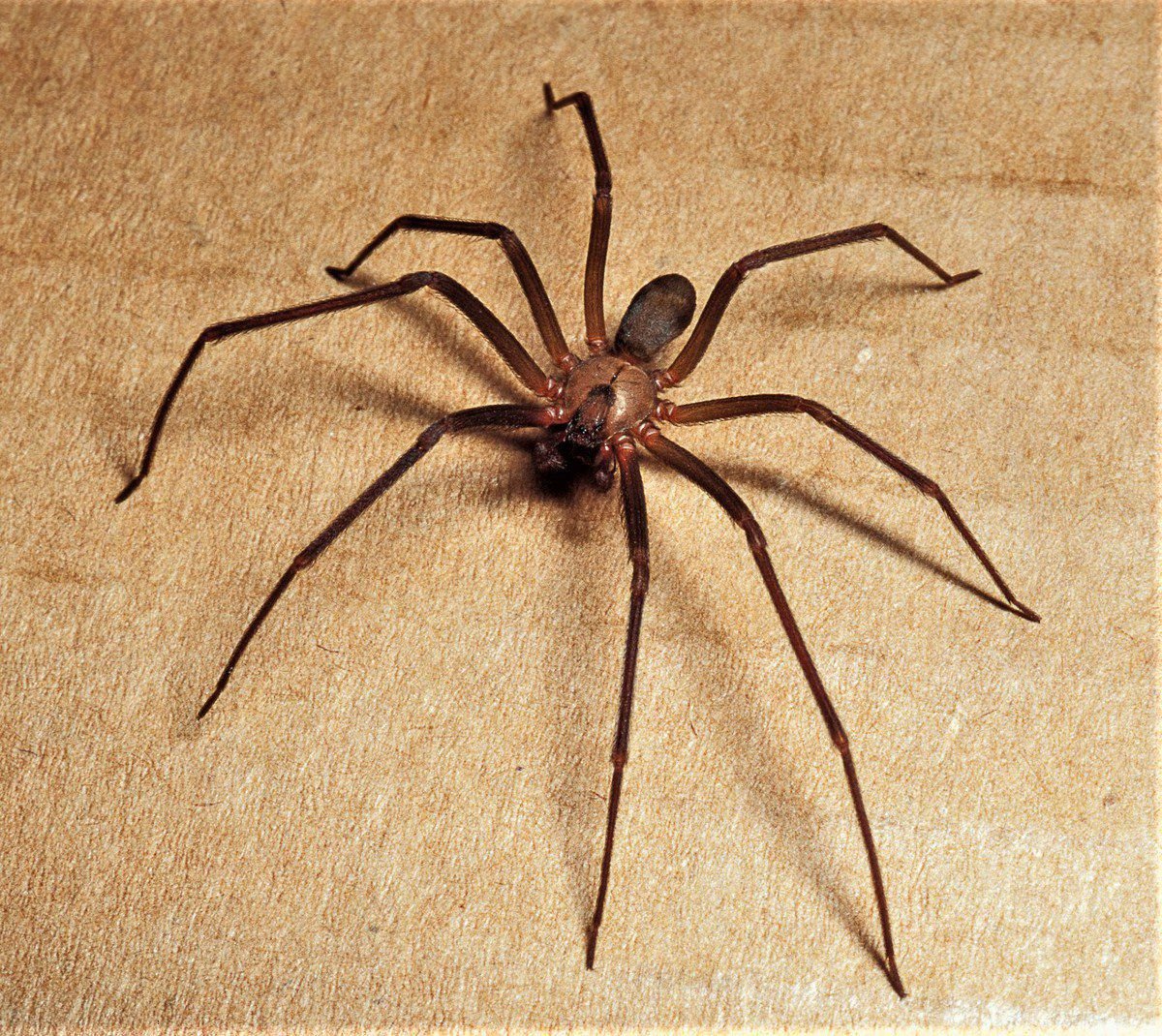
Brown Recluse spiders can be identified by the violin-shaped markings on their back, which leads to their commonly being referred to as fiddleback or violin spiders. They only have six eyes arranged in pairs in a semicircle, as opposed to the regular eight. – Tegenaria agrestis – A.K.A. Aggressive House Spider – is found worldwide.




No comments:
Post a Comment